
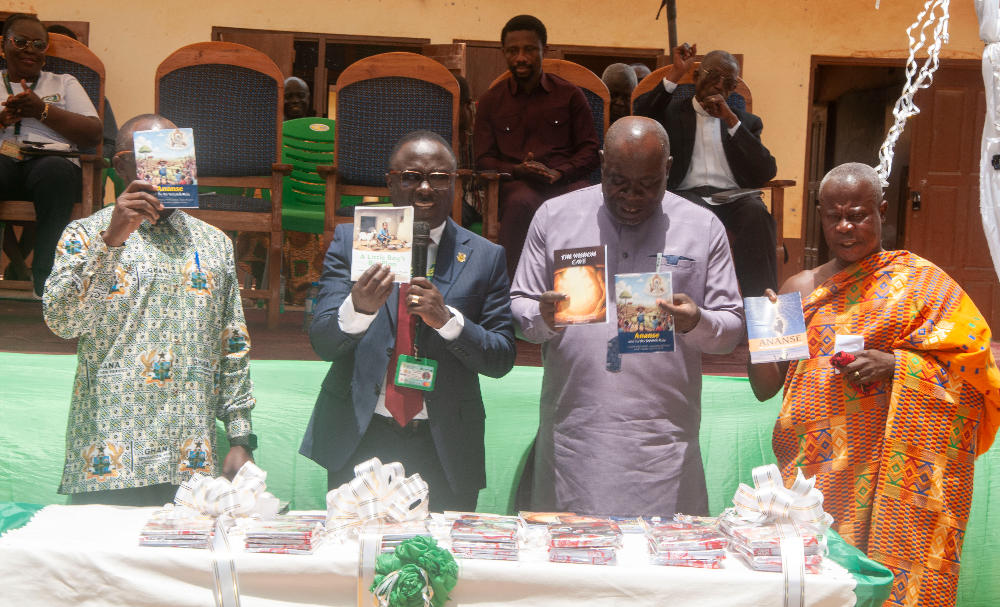
The Kwame Nkrumah University of Science and Technology, Kumasi has launched five storybooks under the Anansesem Museum Collection Project, an initiative aimed at improving children’s reading skills through culturally relevant learning materials.
The launch, held at Kokoben M/A Basic School, forms part of a grant-supported research project funded by the KNUST Research Fund (KReF). The project explores how access to Ghanaian folktales, alongside improved nutrition, can enhance children’s literacy outcomes, particularly in less-endowed communities.
The five books unveiled are Anansesem: The Origin of All Stories, Ananse: Ancestor of Intelligence, Ananse and the No-Scratch Rule, The Wisdom Cave, and A Little Boy’s Big Plans. The collection integrates traditional Ghanaian storytelling with modern themes such as technology, sustainability, financial literacy, agriculture and social values.
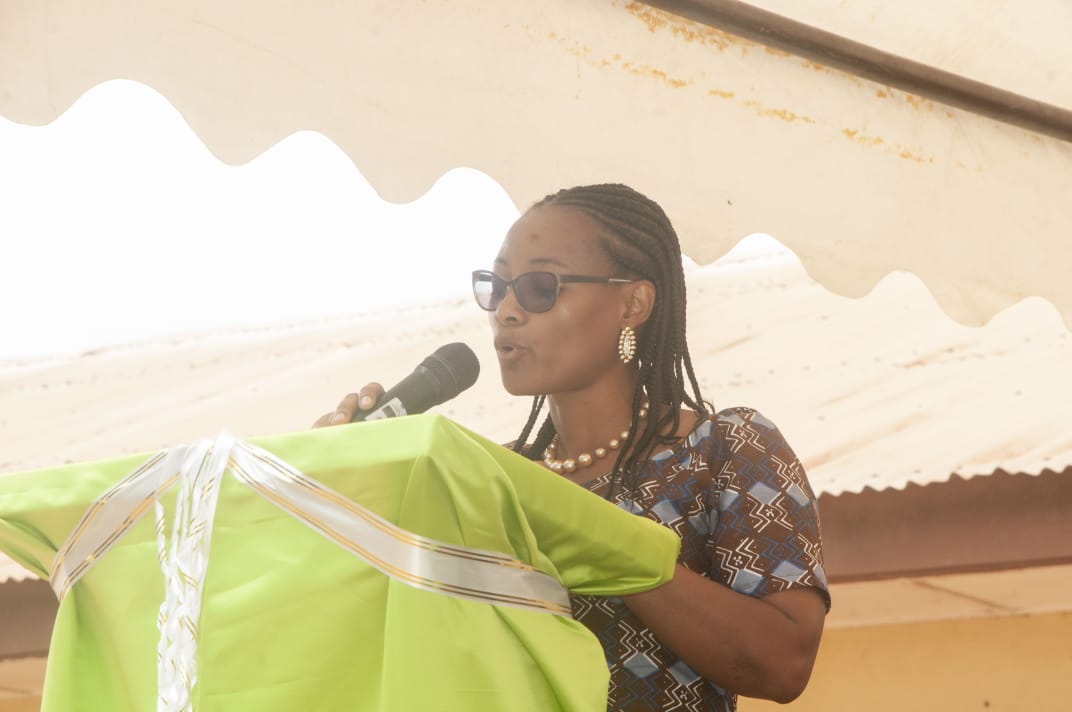
Speaking at the event, Dr. Levina N. Abunya, the project lead described the initiative as a transformative step in bridging the gap between research and real-world impact.
“Today, we are not only launching books; we are advancing a vision, one where children read with understanding, connect with their culture, and develop holistically,” she said.
She explained that the project was designed to improve reading skills by making learning more relatable, while also emphasising the role of nutrition, particularly Omega-3 enriched eggs, in cognitive development.
“This programme is a call to action for stakeholders to support and scale initiatives that ensure every child has access to relevant learning materials and the nutritional support needed to thrive,” she added.
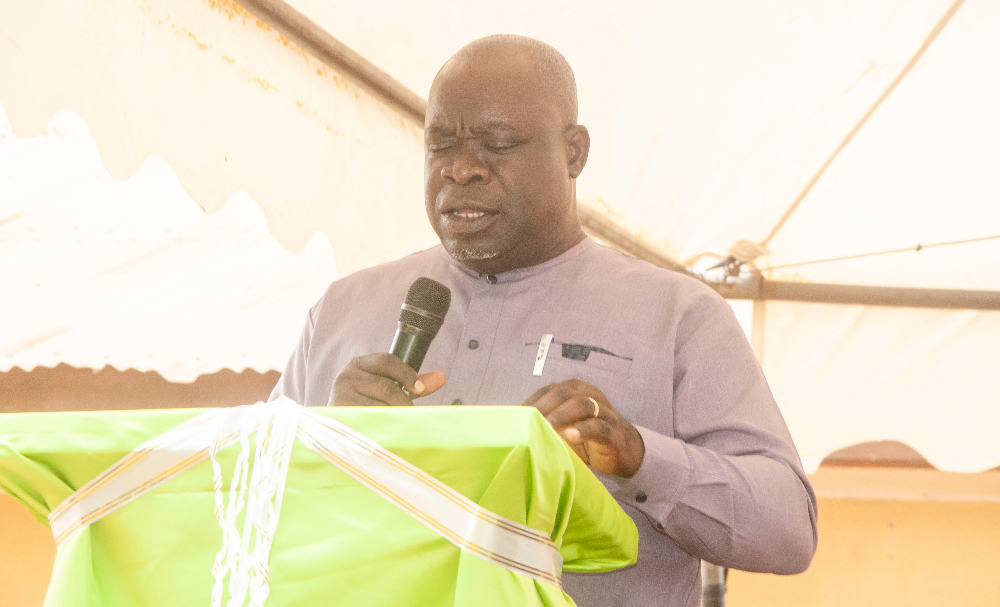
The Provost of the College of Humanities and Social Sciences (CoHSS), Prof. Charles Marfo highlighted the importance of combining literacy and nutrition in child development.
“This intervention brings together literacy and nutrition as key drivers of child development, especially in less-endowed communities where such support is most needed,” he said.
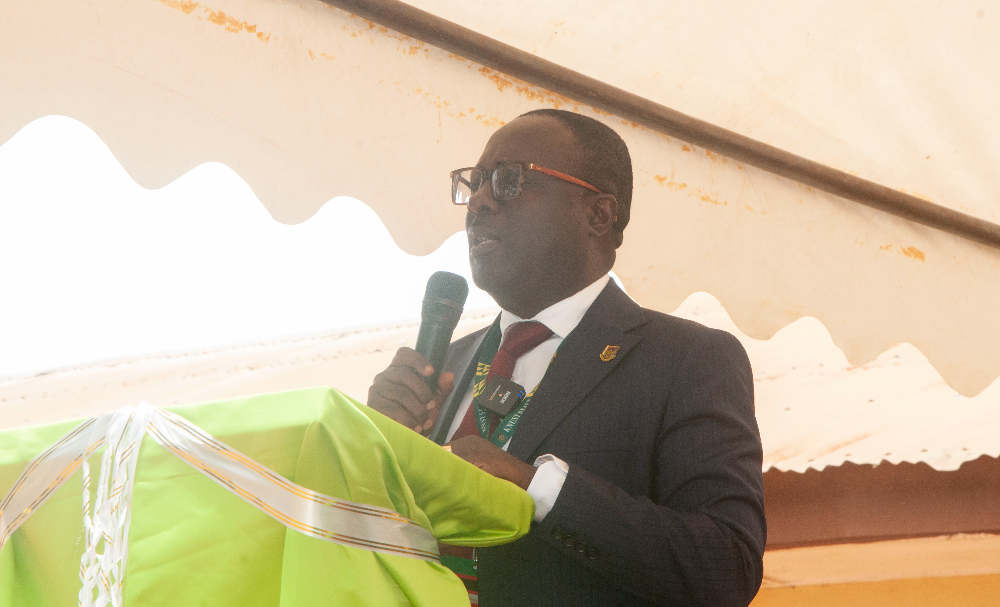
Prof. David Asamoah, Pro-Vice Chancellor of KNUST, underscored the broader impact of the initiative.
“Education is most effective when it is contextual, inclusive, and supported by the right conditions for learning,” he said.
He commended the project team for its innovation and urged parents and stakeholders to actively engage children with the materials.
“Let us carry forward the responsibility to support and sustain such interventions for the benefit of our children and communities,” he added.
The Anansesem Museum Collection was officially launched by the Pro-Vice Chancellor alongside the Provost of CoHSS, a representative of the Chief of Kokoben, Nana Owusu Agyemang, and a representative from the Municipal Directorate of Education, Mr. Sampson Kobinah-Erabanye.
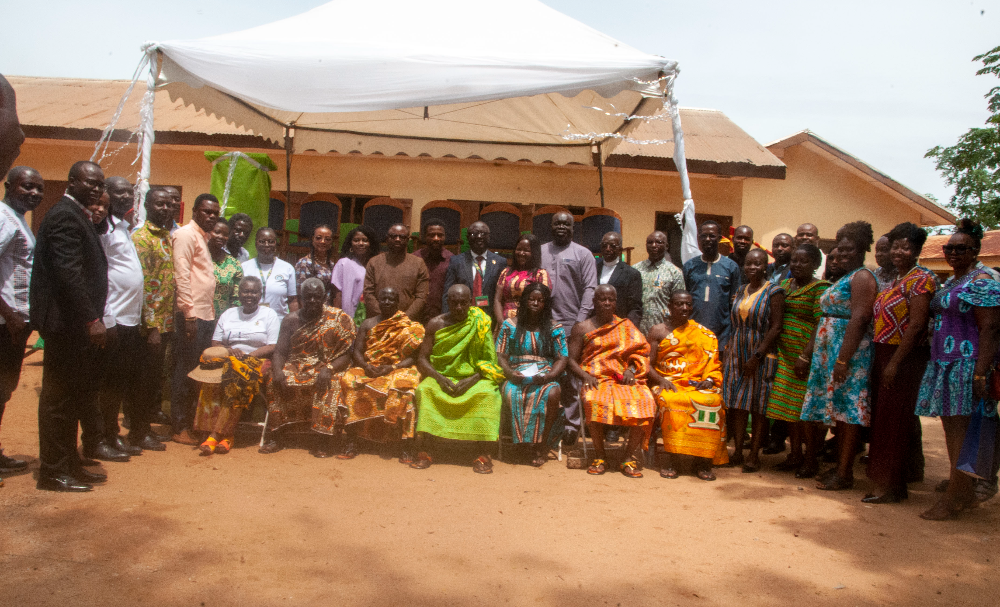
Five basic schools benefited from the project: Kokoben M/A Basic School, Bedaase D/A Basic School, Konkoma M/A Basic School, Korase M/A Basic School, and Sonsuaso M/A Basic School.
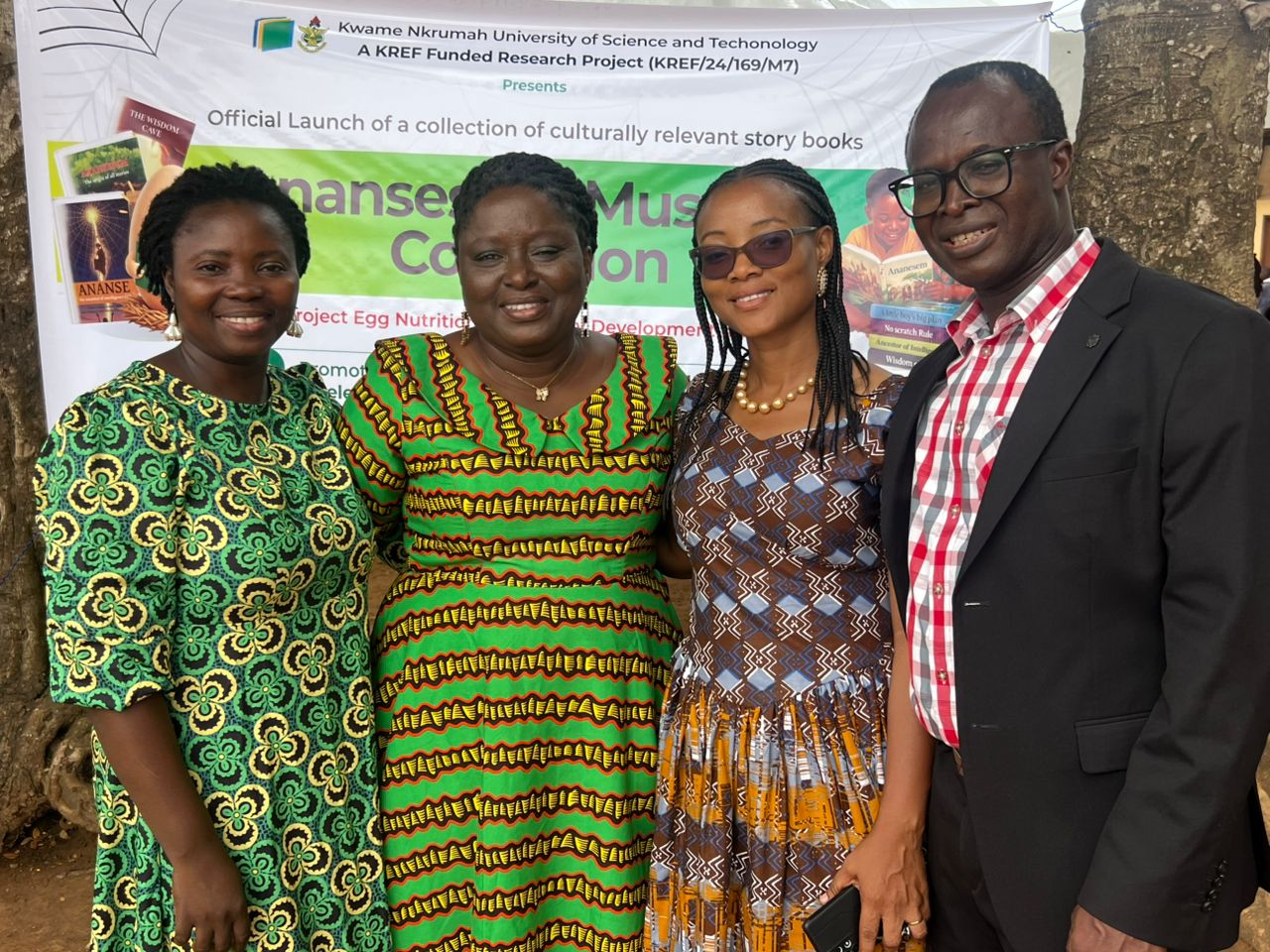
The storybooks were authored and produced by Dr Levina Abunya, Principal investigator and Lecturer at the Department of Language and Communication Sciences; Prof. Jacob Hamidu, Lead Mentor and Professor, Department of Animal Sciences; Mrs. Irene Esi Nunoo, the PhD student on the project, Language and Literacy Education at the Department of Teacher Education, and part time Assistant Lecturer, Department of Publishing Studies; Mrs. Joann Thompson, Cultural expert on the project, with the Centre for Cultural and African Studies; and Dr. Francis K. Nunoo, the Readability and design advisor on the project, and also a Senior Lecturer, Department of Publishing Studies.


